Upgrade Your Asset Allocation: How to Invest Beyond the 60/40 Rule

Upgrade Your Asset Allocation How to Invest Beyond the 60 and 40 Rule - Image avicenafilyakako.com

For decades, the 60/40 balanced portfolio was the undisputed gold standard of investing. You put 60% of your money into stocks for growth, and 40% into bonds for safety. It was the ultimate “set-it-and-forget-it” blueprint for building a resilient investment portfolio. But times change, and markets evolve. With shifting interest rates, stubborn inflation, and heightened … Read more

Maximizing Cash Back via Credit Card Rewards: A Masterclass in Financial Optimization

A sophisticated financial dashboard titled "Maximizing Cash Back via Credit Card Rewards" showing a person managing multiple rewards streams and automated redemptions.

Think of your wallet as a high-performance engine. Most people treat their plastic like basic fuel, but when you understand the mechanics of Credit Card Rewards, you’re essentially adding a turbocharger to your every purchase. Navigating the world of points and percentages can feel like learning a new language. However, once you grasp the basics, … Read more

Peer-to-Peer (P2P) Lending: Risk Management Log

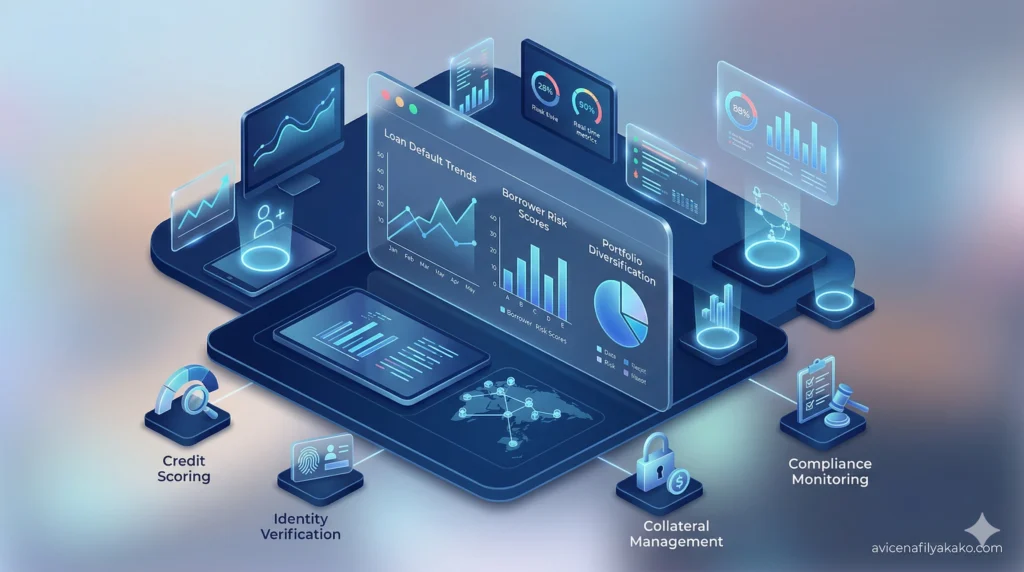
A strategist analyzing a blue-toned dashboard that monitors loan performance and secondary market activity for P2P Lending.

Entering the world of alternative investments can feel like navigating a high-stakes digital frontier. You are likely here because you’ve heard of the impressive returns, but you are also smart enough to ask: “What happens when things go wrong?” Managing a P2P Lending portfolio isn’t about avoiding risk entirely—it’s about documenting, measuring, and mitigating it. … Read more

Index Fund Sampling: Optimizing the S&P 500

A high-tech 3D isometric visualization of the S&P 500 Index Fund being processed through a sampling filter to improve efficiency.

Navigating the world of passive investing often feels like choosing between a perfect replica and a smart shortcut. When you invest in index funds, you expect your portfolio to mirror the performance of a specific benchmark, like the S&P 500. However, buying every single stock in an index isn’t always the most efficient path. I’ve … Read more