
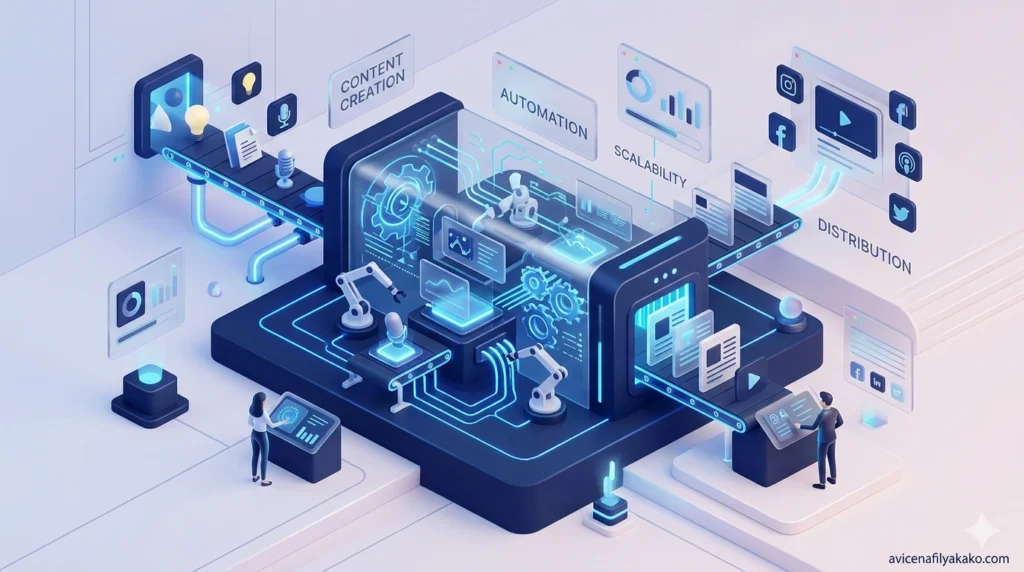
If you’ve ever felt like a bottleneck in your own business, you aren’t alone. Most founders reach a point where their personal output hits a ceiling. To achieve true Brand Scalability, you have to stop being the only person who can speak for your brand.
I’ve seen many talented creators hesitate to delegate their voice because they fear losing their “soul.” However, scaling isn’t about diluting your message; it’s about building a machine that can replicate your perspective at a higher volume. By implementing ghostwriting systems, you transition from a solo operator to a director of a high-output content engine.
The Foundation: Why Systems Beat Talent
Relying on a “talented writer” is a gamble. Relying on a system is a strategy. To ensure Brand Scalability, you need a framework that allows any competent writer to step into your shoes and produce content that sounds exactly like you.
As Naval Ravikant famously said:
“Code and media are permissionless leverage. They are the leverage behind the newly rich. You can create software and media that works for you while you sleep.”
To make media work for you, you need more than just words; you need SOPs (Standard Operating Procedures). These documents act as the DNA of your brand, ensuring that every tweet, article, or newsletter maintains the same DNA regardless of who typed it.
The Architecture of an Editorial Flow
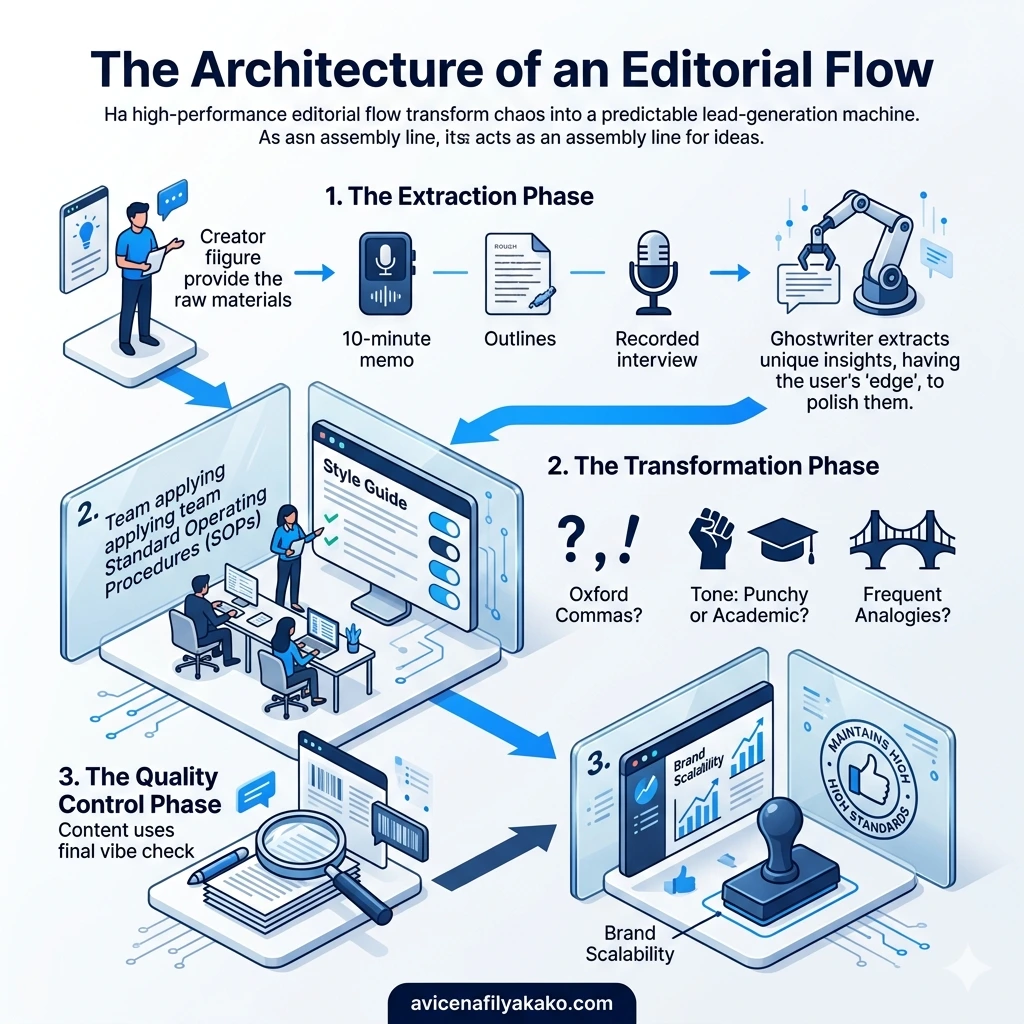
A high-performance editorial flow is the difference between a chaotic content calendar and a predictable lead-generation machine. It’s the assembly line for your ideas.
This assembly line doesn’t just create noise; it serves as a critical bridge in your content to product monetization path, turning high-volume output into tangible business assets.
1. The Extraction Phase
You shouldn’t be writing drafts; you should be providing the “raw materials.” This can be a 10-minute voice memo, a rough outline, or a recorded interview. Your ghostwriter’s job is to take your unique insights—your “edge”—and polish them.
2. The Transformation Phase
This is where your SOPs come into play. Your team applies your specific style guide:
- Do you use Oxford commas?
- Is your tone punchy or academic?
- What analogies do you frequently use?
3. The Quality Control Phase
Never publish without a final “vibe check.” This ensures the content aligns with your current goals for Brand Scalability and maintains the high standards your audience expects.
Comparing In-House vs. Outsourced Systems
| Feature | In-House Team | Agency/Ghostwriter |
| Control | Total control over SOPs and daily output. | Professional management with less oversight. |
| Speed | Instant feedback loops. | Dependent on external deadlines. |
| Scalability | High, but requires HR management. | Very high; pay-as-you-go model. |
Choosing the right team structure is especially vital if you are overseeing multi-site portfolio management ops, where maintaining consistent quality across various digital assets requires a highly disciplined approach to delegation.
Delegation Without Losing Your Voice
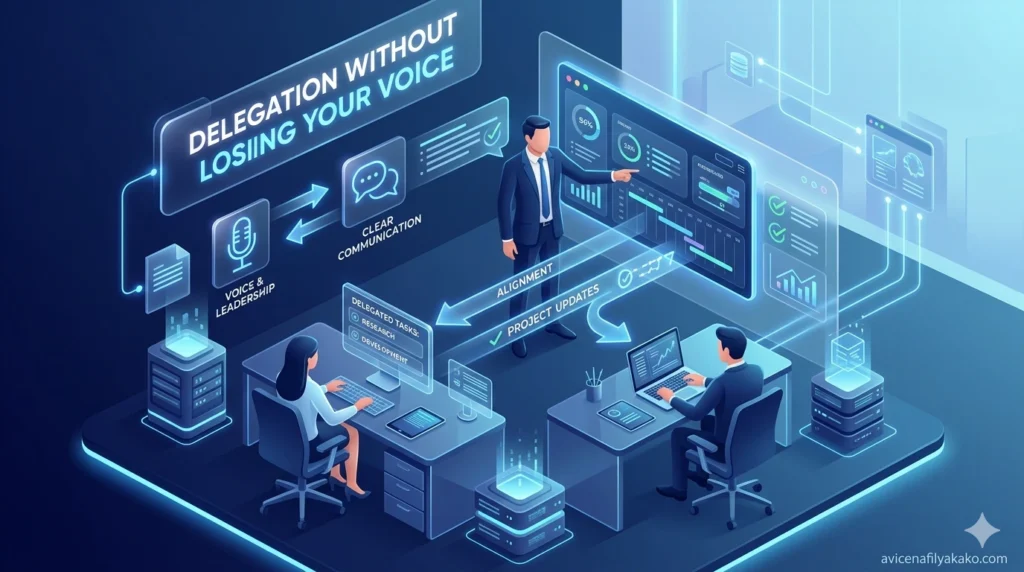
The biggest hurdle to Brand Scalability is the “Uncanny Valley” of ghostwriting—where the content looks like yours but feels slightly “off.” To avoid this, you must treat delegation as a creative partnership.
Instead of asking a writer to “write about SEO,” give them a specific thesis. For example, “Write about why traditional SEO is dying because of AI-driven search, using my ‘garden vs. stream’ analogy.” This gives the writer the constraints they need to be creative within your brand’s boundaries.
Check out how Ghostwriting and AI are converging to create even more efficient systems for modern authors. Using these tools as an assistant to your editorial flow can 10x your output without losing the human touch that drives authority.
Key Components of Scalable SOPs
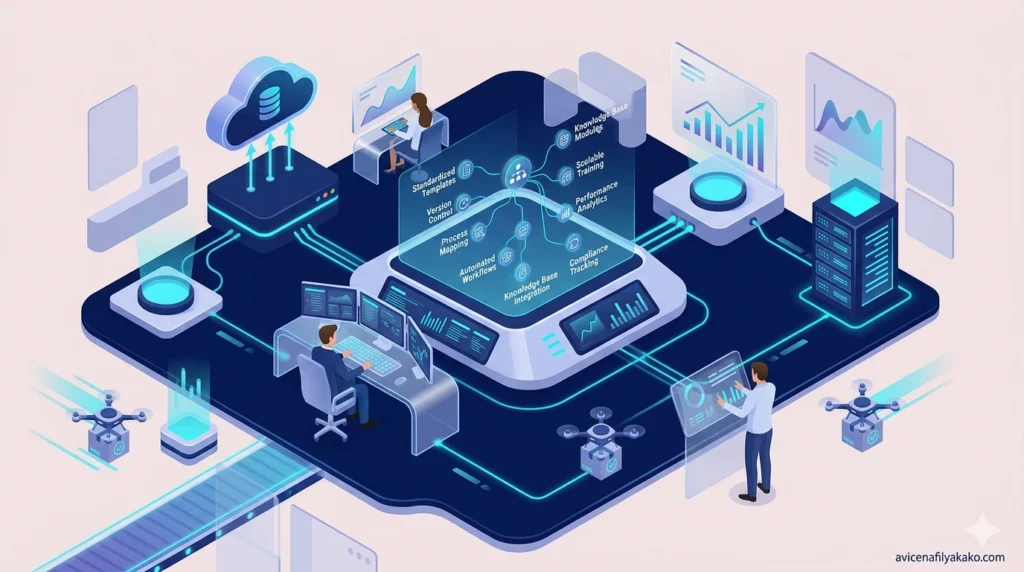
To build a system that lasts, your SOPs should include:
- A “Never Use” List: Words or clichés that drive you crazy.
- Formatting Rules: Do you prefer bold headers or bulleted lists?
- The Ideal Reader Persona: Who are we talking to, and what keeps them up at night?
By defining these early, you reduce the friction of delegation and move closer to total Brand Scalability. You aren’t just buying back your time; you’re building an asset that can grow independently of your physical presence.
FAQs
What is Brand Scalability?
Brand Scalability is the ability of a business to increase its reach, influence, and revenue without a linear increase in the founder’s personal time or resources. It involves building systems and leveraging media so the brand can operate and grow at a high volume.
How do SOPs help in ghostwriting?
SOPs provide a standardized blueprint that ghostwriters use to replicate a brand’s tone, style, and formatting consistently. They eliminate guesswork and ensure that every piece of content meets the brand’s quality standards, regardless of who writes it.
Is ghostwriting ethical for personal brands?
Ghostwriting is a widely accepted business practice used by world leaders, CEOs, and top influencers to share their expertise efficiently. As long as the ideas and core messages originate from the brand owner, ghostwriting serves as a professional tool to amplify their authentic voice.
Disclaimer: The information provided in this article is for educational and general informational purposes only and should not be construed as professional advice (such as legal, medical, or financial). While the author strives to provide accurate and up-to-date information, no representations or warranties are made regarding its completeness or reliability. Any action you take based on this information is strictly at your own risk.
This article was authored by Avicena Fily A Kako, a Digital Entrepreneur & SEO Specialist using AI to scale business and finance projects.