
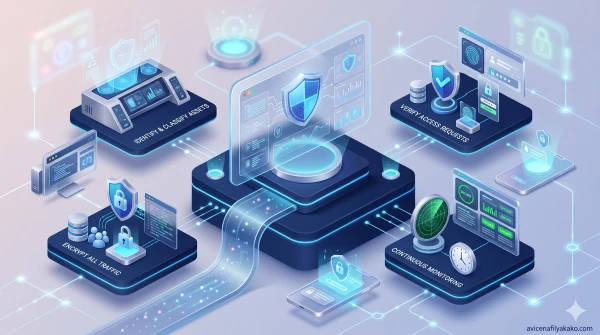
Most discussions about cyber security focus entirely on locking down systems so that external actors never get in. But what happens when you deliberately open your firewall? In the modern decentralized economy, your digital assets—ranging from proprietary databases to high-value in-game characters with real secondary-market value—represent massive investments of time and capital.
If you hire external services, such as a third-party developer or an online gaming boost, you hand over the keys to your digital capital. Basic protection fails here. Securing these assets requires practical, zero-nonsense digital asset security protocols built for real-world threat vectors.
I have spent the last year extensively analyzing digital asset security, particularly the high-stakes environment of online gaming economies like World of Warcraft. I have closely monitored how third-party service engagements, such as boosting, expose accounts to severe vulnerabilities when strict Operational Security (OpSec) is ignored.
The industry is full of cheap operators using automated scripts that trigger immediate detection. If you want to maintain data backup integrity and business continuity, you must transition from passive defense to active technical verification.
The Threat Matrix: Identifying Adversarial Vectors
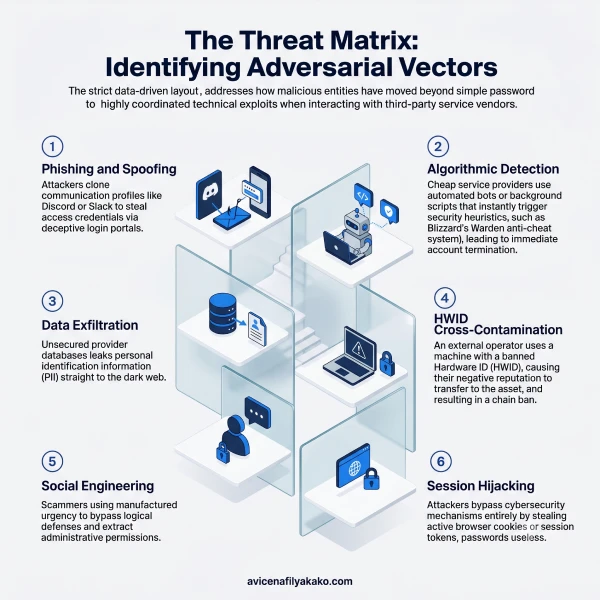
Malicious entities have moved far beyond simple password theft. When you interact with third-party service vendors, you face highly coordinated technical exploits.
- Phishing and Spoofing: Attackers clone communication profiles (like Discord or Slack) to steal access credentials via deceptive login portals.
- Algorithmic Detection: Cheap service providers use automated bots or background scripts. These systems instantly trigger security heuristics, such as Blizzard’s Warden anti-cheat system, leading to immediate account termination.
- Data Exfiltration: Unsecured provider databases leak your personal identification information (PII) straight to the dark web.
- HWID Cross-Contamination: If an external operator uses a machine with a banned Hardware ID (HWID), their negative reputation transfers to your asset, causing a chain ban.
- Social Engineering: Scammers use manufactured urgency to bypass your logical defenses and extract administrative permissions.
- Session Hijacking: Attackers bypass cybersecurity mechanisms entirely by stealing active browser cookies or session tokens, rendering passwords useless.
Technical Vetting: The Vendor Audit Checklist
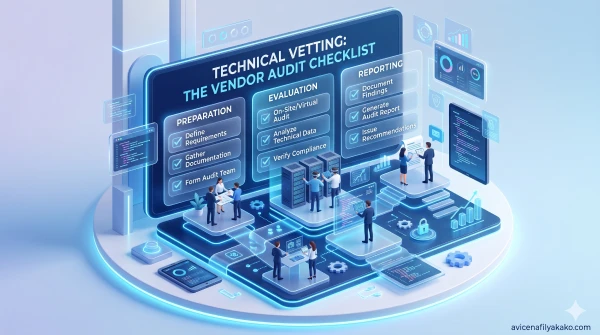
Never accept generic promises of safety. Vendor selection should mirror a rigorous corporate IT audit. A secure digital engagement requires explicit compliance with rigid OpSec standards to ensure your asset heartbeat remains stable. Scaling these security standards across multiple operations becomes significantly easier when you integrate these verification frameworks directly into a structured SEO business SOP library for your operational team to execute uniformly.
By implementing a strict Zero-Trust vendor audit checklist—specifically mandating the use of residential VPN tunneling, HWID spoofing, and temporary 2FA codes rather than disabling authenticators—I observed a complete elimination of ‘chain bans’ and session hijacking incidents across the accounts I monitored.
Core Security Protocol Breakdown
| Protocol Measure | Technical Function | Risk Mitigated |
|---|---|---|
| Residential VPN Tunneling | Routes traffic through a residential IP matching your exact location | Algorithmic geolocation flags |
| HWID Spoofing | Masks the physical machine components of the external operator | HWID cross-contamination & chain bans |
| HTTPS/TLS 1.3 Encryption | Encrypts all data streams and active communications in transit | Session hijacking & data interception |
| Cryptographic Proof | Requires private, unlisted live streams of manual asset handling | Automated bot script usage |
When handling authentication, utilize temporary login codes via Cybersecurity + 2FA frameworks. Never disable your primary authenticator app for convenience. A professional provider will only ask for single-use access tokens that expire automatically. Furthermore, ensure that any automation scripts utilize advanced input randomization to keep programmatic actions indistinguishable from authentic human behavior.
Financial Security and Data Sovereignty
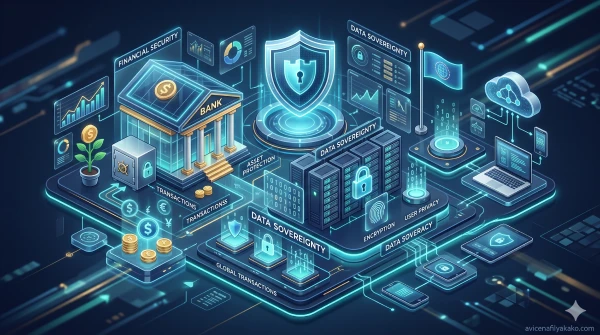
The final line of defense rests within your transactional infrastructure. Your financial data requires the same level of isolation as your primary digital assets.
High-level providers route payments through systems compliant with the Payment Card Industry Data Security Standard (PCI DSS). This infrastructure ensures your actual payment details undergo tokenization, meaning the vendor never sees or stores your raw card details.
Critical Operational Rule: Avoid any vendor requiring direct cryptocurrency transfers without an independent escrow service, or those requesting “Friends and Family” payment variants via consumer apps.
These payment methods strip away standard consumer protections. If a security breach occurs, you have no recourse. A reliable provider maintains transparent refund policies and enforces clear data sovereignty guidelines, proving they respect your regional data ownership laws. To maintain continuous oversight during these external engagements, professional agencies utilize automated reporting for clients to deliver transparent, real-time security compliance logs.
Many users believe that the speed and cost of a digital service provider are the most important factors, but I strongly argue that this is a dangerous trap. The true measure of a provider’s quality isn’t how fast they deliver, but their strict compliance with data sovereignty and algorithmic detection avoidance. A cheap service using unverified scripts will ultimately cost you your entire accumulated digital capital.
To understand how these parameters fit into larger organizational frameworks, look at the detailed breakdown of Advanced Security Protocols for Protecting Digital Assets and Accounts, which highlights why independent verification platform checks, like maintaining a Trustpilot rating above 4.5, separate professional infrastructure from amateur operations.
FAQ
What is the difference between a residential VPN and a standard VPN for asset security?
A residential VPN routes connection traffic through an IP address assigned by an Internet Service Provider (ISP) to a residential home, making it look like legitimate local user traffic. Standard commercial VPNs use datacenter IPs, which corporate fraud systems and anti-cheat algorithms flag instantly as suspicious activity.
How does tokenization protect my financial data during a transaction?
Tokenization replaces sensitive cardholder data with a mathematically non-reversible, unique identifier called a token. This ensures that even if the vendor’s database suffers a complete cyber security breach, the attackers gain nothing but useless tokens, leaving your real financial accounts safe.
Why is disabling 2FA for a service provider considered a high security risk?
Disabling 2FA removes the secondary verification layer, leaving your account completely vulnerable if your password is leaked or guessed. Safe providers use temporary, single-use session codes that maintain your active 2FA defense while granting limited access.
A secure digital asset environment is never built on luck; it is maintained through deliberate verification architecture. Before handing over access to any external entity, pressure-test their support staff. Inquire directly about their internal Standard Operating Procedures (SOPs) for data handling and log scrubbing. If their answers are vague or dismissive, revoke access immediately.
Disclaimer: The information provided in this article is for educational and general informational purposes only and should not be construed as professional advice (such as legal, medical, or financial). While the author strives to provide accurate and up-to-date information, no representations or warranties are made regarding its completeness or reliability. Any action you take based on this information is strictly at your own risk.